Tampilkan postingan dengan label and. Tampilkan semua postingan

Selasa, 16 September 2014

Weak Before Sex treat with carrots and apples


Weak Before Sex? treat with carrots and apples

Sexual Hormones are substances secreted by the sex glands. During the process makananlah an important role. If the establishment of maximum arousal hormone sekspun become more powerful. Sexual problems can come from many things. Such as decreased sex hormones or feel tired before sex. This problem can be overcome if you are eating the right foods like carrots and apples

Rabu, 10 September 2014

Yoga effective in treating patients with stress related psychological and medical conditions

An article by researchers from Boston University School of Medicine (BUSM), New York Medical College (NYMC), and the Columbia College of Physicians and Surgeons (CCPS) reviews evidence that yoga may be effective in treating patients with stress-related psychological and medical conditions such as depression, anxiety, high blood pressure and cardiac disease. Their theory, which currently appears online in Medical Hypotheses, could be used to develop specific mind-body practices for the prevention and treatment of these conditions in conjunction with standard treatments.


It is hypothesized that stress causes an imbalance in the autonomic nervous system (parasympathetic under-activity and sympathetic over-activity) as well as under-activity of the inhibitory neurotransmitter, gamma amino-butyric acid (GABA). Low GABA activity occurs in anxiety disorders, post-traumatic stress disorder, depression, epilepsy, and chronic pain. According to the researchers, the hypothesis advanced in this paper could explain why vagal verve stimulation (VNS) works to decrease both seizure frequency and the symptoms of depression.

"Western and Eastern medicine complement one another. Yoga is known to improve stress-related nervous system imbalances," said Chris Streeter, MD, associate professor of psychiatry at BUSM and Boston Medical Center, who is the studys lead author. Streeter believes that "This paper provides a theory, based on neurophysiology and neuroanatomy, to understand how yoga helps patients feel better by relieving symptoms in many common disorders."

An earlier study by BUSM researchers comparing a walking group and a yoga group over a 12-week period found no increase in GABA levels in the walking group, whereas the yoga group showed increased GABA levels and decreased anxiety. In another BUSM 12-week study, patients with chronic low back pain responded to a yoga intervention with increased GABA levels and significant reduction in pain compared to a group receiving standard care alone.

Source : Boston University Medical Center

Rabu, 03 September 2014

15 Foods Fruits and Beverages That Can Lower Your Cholesterol

For those of you who have high cholesterol levels, cholesterol lowering foods list below may be useful. Negative assumptions about cholesterol, not always true. Cholesterol is one of the body fat (lipid) which is essential for the activity of cell membranes, make hormones, vitamins and bile acids. Cholesterol also helps in the transmission of nerve impulses.

Cholesterol levels in the blood depends on what you eat and how the body makes cholesterol in the liver. Having too much cholesterol in the blood is not a disease, but it can lead to hardening and narrowing of the arteries (atherosclerosis) in the cardiovascular system.


There are two kinds of cholesterol: the bad is called low-density lipoprotein (LDL) and good is called high-density lipoprotein (HDL). LDL can contribute to heart disease and other cardiovascular diseases. HDL removes excess LDL in your blood and bring it to the liver for disposal.

Cholesterol lowering foods, fruits and beverages

  1. Grapes. Red grapes increase good cholesterol. It is recommended to drink two glasses of grape juice every day.

  2. Blueberry. Blueberries contain a large number of substances that fight bad cholesterol. Compounds in blueberries (pterostilbene) may help lower cholesterol as effectively as commercial drugs with fewer side effects.

  3. Plum. Such as blueberries, plums have a large amount of material that lowers cholesterol.

  4. Avocado. Unsaturated fat in avocados is the kind of healthy because it can increase your HDL cholesterol levels.

  5. Pomegranates. A study by the National Academy of Sciences (USA) showed that pomegranate juice reduces cholesterol plaque buildup and increases nitric oxide production which helps reduce arterial plaque.

  6. Tomatoes. Drinking two glasses of tomato juice a day lowered bad cholesterol from your body significantly.

  7. Garlic. Garlic has a positive effect on your bad cholesterol while maintaining good cholesterol. Many clinical trials have looked at the role and benefits of garlic in heart disease, mainly by lowering total cholesterol, LDL cholesterol and triglycerides. American Dietetic Association recommends that the health benefits of garlic, we should consume 600-900 mg (about 1 clove fresh) per day.

  8. Olive oil. Olive oil can reduce bad cholesterol from your body. Researchers at the Universidad Autónoma de Madrid (Spain) found that olive oil enriched diet helps lower bad cholesterol (LDL).

  9. Flaxseed oil. Linseed or flaxseed oil can lower blood pressure in men with high cholesterol. In a three-month study on 59 middle-aged men, those who consumed flaxseed oil supplements every day, decreased blood pressure significantly. 

  10. Fish and fish oil. A study from the Norwegian University of Science and Technology found that people with diabetes type 2 who consumed high doses of fish oil over nine weeks lowered the concentration of cholesterol in their bodies.

  11. Olive oil. Olive oil can reduce bad cholesterol from your body. Researchers at the Universidad Autónoma de Madrid (Spain) found that olive oil enriched diet helps lower bad cholesterol (LDL).

  12. Nuts. Walnuts, almonds and other nuts can reduce blood cholesterol. Research has shown that eating a few walnuts every day can lower your cholesterol by 27 percent. According to the U.S. Food and Drug Administration (FDA), consuming about a handful (42.5 grams) of almonds, hazelnuts, peanuts, pecans, pine nuts, pistachio nuts and walnuts, may reduce the risk of heart disease. The content of Omega-3 fats and antioxidants in nuts work to rehabilitate the arterial damage caused by saturated fats.

  13. Yogurt with probiotics. Several studies have shown that the probiotic Lactobacillus acidophilus and Lactobacillus reuteri actually help lower cholesterol. They work by preventing the reabsorption of cholesterol back into the blood stream.

  14. Green tea. Study in Japan found that theanine in green tea is beneficial to increase good cholesterol and prevent the formation of bad cholesterol. You should drink at least four cups of sugar-free green tea every day to get the benefits.

  15. Soy products. Soy products such as soy milk, tofu and tempeh not only reduces your cholesterol, but also rich in protein.

Check your cholesterol level

Data taken from www.nlm.nih.gov

Total Cholesterol Level

Category

Less than 200mg/dL Desirable
200-239 mg/dL Borderline high
240mg/dL and above High

LDL (Bad) Cholesterol Level

LDL Cholesterol Category

Less than 100mg/dL Optimal
100-129mg/dL Near optimal/above optimal
130-159 mg/dL Borderline high
160-189 mg/dL High
190 mg/dL and above Very High

HDL (Good) Cholesterol Level

HDL Cholesterol Category

Less than 40 mg/dL A major risk factor for heart disease
40—59 mg/dL The higher, the better
60 mg/dL and higher Considered protective against heart disease


Sabtu, 30 Agustus 2014

Scientists Probe the Interaction Between Saturated and Unsaturated High Fat Diets and Their Corresponding Carbohydrate Sources Cornstarch vs Fructose

This add is a perfect example of how saturated fat, in this case lard has always been blamed for the "lard" on ones hips.
Any hypothesis that tries to blame for our "fat misery" on a single nutrient is short-sighted. After years of fat-bashing, carbophobia and fructose hating in the course of which the situation progressively, we are now seeing the first studies which investigate what the Polish researchers, Adam Jurgoński, Jerzy Juśkiewicz and Zenon Zduńczyk from the Institute of Animal Reproduction and Food Research at the Polish Academy of  Sciences call the "biological interactions among these dietary factors" in their latest paper in the peer-reviewed open-source journal Nutrients (Jurgoński. 2014).

With the publication of the data of a their latest rodent study, the scientists have already taken the first step to a new, an "interactionist" perspective on the obesogenic effects of saturated vs.unsaturated and simple vs.complex carbohydrates and their interaction with another previously overlooked factor that has gotten quite some attention in the past months: The gut and its inhabitants.

Goodbye! Nutritional scapegoatism 

It goes without saying that this model study is nothing but a first step on a long road we still have to travel, but the differential effects the four diets (see Table 1)...
  • Table 1: Composition of the diets.
    the soybean powered high cornstarch diet (OS),
  • the lard-laden high cornstarch diet (LS), 
  • the soybean-powered high fructose diet (OF), and
  • the lard-laden high fructose diet (LF)
...had on the health, caecal short-chain fatty acid concentrations, cholesterol and triglyceride levels are revealing, to say the least.
World premiere! I know it sounds hilarious, but this is actually the first study I have seen that focused on nutrient interactions, instead of individual (macro-)nutrients in diets that are not even suitable to isolate the effects of the nutrient of interest - most prominent example the "high fat diet"  which is high in fat (45% of the energy is the standard; there are yet also "high fat" diets with only 32% of the total energy from fat; Gajda. 2008) but leaves enough room for carbohydrates to complement, some would say "trigger" the obesogenic effects by providing a pro-insulinogenic stimulus that will blunt the oxidation of the dietary fat and help drive it into the cells.
If you take a closer look at the actual study outcomes, you will see that the answer(s) the study provides are about as complex as its design.

In contrast to the dietary fat which had no independent effect on any of the measured markers of gut function, the carbohydrate source, i.e. cornstarch vs. fructose lead to significant differences in total small intestinal mass, mean pH of the ileal digesta and the mucosal activity of sucrase, all of which were increase on the high fructose diet.
Figure 1: Serum lipid levels of the rodents after 4 weeks on obesogenic diets containing different forms of dietary fat and carbohydrate (Jurgoński. 2014)
Interactive effects were observed for the mass of the cecum itself (the tissue) and the digesta with opposing effects of fructose on when it was administered in conjunction with lard (reductions) vs. soybean oil (increases in cecum mass). Slightly different effects were observed for the short-chain fatty acid composition (SCFA):
"Both the dietary fats and carbohydrates contributed to changes in the total SCFA concentration in the caecal digesta of rats (p < 0.05 and < 0 0.001, respectively). The highest total SCFA concentration was in group LS, while group OS had a significantly lower concentration (p ≤0.05). Similarly, the acetate concentration in the caecal digesta was influenced both by dietary fats and carbohydrates (p < 0.05 and p < 0.001, respectively) with a similar span of differences among particular groups (p ≤0.05). The type of dietary carbohydrate had significant influence on the propionate and isobutyrate concentrations in the caecal digesta (p < 0.001 and p < 0.05, respectively); however, both dietary factors had an interactive effect on their concentrations (p < 0.05). The highest propionate concentration was observed in the LS and OS group, whereas significantly lower concentration was found in the OF group. The lowest isobutyrate concentration was in group OF and it was significantly higher in group OS (p ≤0.05)." (Jurgoński. 2014)
The serum lipid profiles were influenced by both, the types of fats and carbohydrates as shown in Figure 1. Whats particularly striking, here, is the nasty effects of a combined lard + fructose feeding on the triglyceride levels.

A similar fat-dependence as for the fructose induced triglyceride boost can be observed for the levels of total and HDL cholesterol, which were increased only by the combination of fructose + saturated fat. In the rodents that received soybean oil with their coke, ... ah, I mean with their fructose, the researchers observed the exact opposite trend and a 5x lower yet similarly increased artherosclerosis risk (as evidenced by the 5x higher atherogenic index).
Suppversity Suggested Read: "EGGS - A Four-Letter Food Improves Both Cholesterol Particle & Phospholipid Profile + HDL-Driven Lipid Reverse-Transport" | read more
The results are still difficult to place. The complementary increases in total and HDL cholesterol in the lard + fructose group for example could be interpreted as unproblematic in view of the contemporary social media trend to depict high cholesterol as absolutely irrelevant. In view of the concomitant 2.3x increase in the ratio of triglycerides to HDL-cholesterol, of which we do know for sure that it predicts extensive coronary disease (Luz. 2008), it is still warranted to conclude that the combination of fructose and saturated fats is even worse than the combination of a high fructose intake with unsaturated fats, which had almost no effect on the triglycerides to HDL ratio and left the rodents in the corresponding group with a trig:HDL ratio what was >2.5x lower than that of the lard + fructose rodents.

Yes, I know - thats only rodent data, there is no information on body weight, or the gut microbiome and even the impact on glucose metabolism wasnt measured (you can predict from the triglyceride levels, though, that the animals lard + fructose diet had the lowest insulin sensitivity), the reason I still spent a whole article on this paper is that this is the kind of study, wed need if we actually want to understand "why we are fat" from the inexplicably popular (macro-)nutrient perspective... I mean, lets be honest: On the level of food items, the complexity is not a problem and we all know the food items that propel the obesity epidemic, dont we?
References:
  • Gajda, Angela M. "High fat diets for diet-induced obesity models." A Report for Open Source Diets (2008).

Melato Cola™ or What Fructose for Improved Glucose Metabolism and Melatonin to Counter Fructose Overload

There was a time, when Coke still contained "coke"... so why not add some melatonin for health benefits? I am obviously just kidding here, but a combination of fructose + melatonin may actually make sense.
The title of todays SuppVersity article is confusing, I know. Firstly, it contains the almost heretical notion that fructose could actually improve instead of impair your glucose metabolism and secondly it does not appear to make sense that you would have to use melatonin to counter the pro-diabetic effects of fructose, if the latter is in fact so good for you.

Before you are getting totally confused, let me clarify how the improvements in glucose metabolism and the melatonin-powered diabesity protection go together: Both have been observed in a recent study from the Pontificia Universidad Católica Argentina in Buenos Aires, Argentina (Cardinali. 2013), in the course of which the improved glucose metabolism was nothing but a side-finding of a study Cardinali et al. conducted to  examine the effect of melatonin when it is administered to rodents simultaneously with fructose in the drinking water.

This is the Coke + sufficient sleep study ;-)

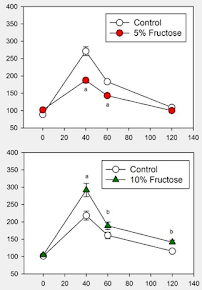
Obviously this is not as the subheading would suggest the "coke + sufficient sleep study", but in light of the fact melatonin is after all the "sleep" hormone and in view of the results of a recent study by Senador et al. who observed that fructose had a negative effect on glucose management only, when it was available during the light phase (which is the inactive phase for a rodent; cf. Senador. 2012), it comes close; and that despite the fact that fructose timing was yet not an issue in the study at hand. Instead of modifying the timing, Cardinali et al. used different amounts of fructose with half of the rodents in the experimental arm of the study having a 5% and the other half having a 10% fructose solution as their main water supply.

Figure 1: Glycemia (mg/dL) 0-140min after 2g/kg body weight  glucose tolerance test (Cardinali. 2013)
If we trust the nutritiondata.com information about the average fructose content of a "carbonated beverage, cola, with higher caffeine" ...
  • the rodents in the 10% fructose group were consuming the total carbohydrate equivalent of coke, but with a 100% instead of ~50% fructose content, while
  • the rodents in the 5% fructose group were consuming less total carbohydrates, but roughly the same amount of fructose someone would ingest if he drank nothing but coke.
A direct comparison of either of the groups to the "coke only"-drinking human being is thus not warranted.

It is nevertheless intriguing that the 5% fructose group showed a significantly higher glucose tolerance - not just compared to the 10% fructose group, but also compared to the control group that was fed with water, only (see figure 1).
"Meta-Analysis: Lower Glucose, Insulin and HbA1c Levels From Catalytic Dose of 36g Fructose" | read more
"But isnt fructose the reason you develop diabetes?" Before we get on to the effects of melatonin, I want to emphasize that this is by no means an outlier, in fact, I have written about the catalytic effects of 36g of fructose in a previous post "6x Bananas a Day!? Meta-Analysis: Lower Glucose, Insulin and HbA1c Levels From Catalytic Dose of 36g Fructose" (learn more).

Previous studies have also shown that a 2:1 mixture of glucose + fructose is at least up to the regular glucose only drinks in terms of post-workout glycogen repletion (learn more) - partly because the fructose will keep the liver occupied, while the muscles suck up the glucose.
As previously mentioned the main research interest of the Argentinian scientists was not the effect of fructose on the glucose sensitivity of their rodents, but rather if the administration of 25 μg/mL of melatonin in the tapwater the rodents received would lead to significant changes in the study outcomes.
Figure 2: Effects of melatonin in drinking water with or without 5% [left] and 10% [right] fructose on body weight, systolic blood pressure and glucose response to glucose tolerance test (Cardinali. 2013)
As you can see in figure 1 it did: Melatonin did ameliorate the weight gain, and the increase in blood pressure that was observed even with only 5% fructose in the drinking water. It did not improve the glycemic response of the rats in the 5% fructose group even more, though, but it bulnted the negative effects of the 10% fructose solution had on the glycemic response in the glucose tolerance (figure 2, right).
SuppVersity Suggested Read: "Circadian Rhythmicity - Sunlight, Bluelight, Backlight & Co Mess Learn How THey W/ Your Internal Clock. Plus: Tips & Tricks to Prevent Negative Side-Effects" | read more
Is a melatonin solution the solution? If we also consider the negative effects of 10% fructose feeding on LDL (the rodents on 10% + Mel had even lower LDL than the control), the normalization of triglycerides and the potential therapeutic reduction in uric acid (-30% even vs. control), of which Cardinali et al. point out that it could have therapeutic effects in people with gout and other uric acid related metabolic disorders, it would appear smart that do dissolve the human equivalent dose of 21-35mg melatonin in your drinking water in the morning and keep guzzling it all day long.

Well, as I said, it "would appear to be" smart, but is it really smart? I wouldnt be too sure about that. Despite the fact that that you probably wont die, the chronically increased systemic melatonin levels could have long-term negative consequences on your circadian rhythm that could undo all potential benefits.

Restricting your fructose intake to fructose from fruit, only, getting enough sleep and using melatonin timely, i.e. 20min before bed would thus appear to be a more prudent approach to improve / maintain optimal blood glucose levels and insulin sensitivity. And if you are more into hard facts than "erring on the side of caution", you may consider the acute decrease in glucose tolerance, Cagnacci et al. observed in postmenopausal women, when they participated in a blood glucose test after the administration of 1 mg melatonin more convincing (Cagnacci. 2001).
References:
  • Cagnacci A, Arangino S, Renzi A, Paoletti AM, Melis GB, Cagnacci P, Volpe A. Influence of melatonin administration on glucose tolerance and insulin sensitivity of postmenopausal women. Clin Endocrinol (Oxf). 2001 Mar;54(3):339-46. 
  • Cardinali DP, Bernasconi PA, Reynoso R, Toso CF, Scacchi P. Melatonin may curtail the metabolic syndrome: studies on initial and fully established fructose-induced metabolic syndrome in rats. Int J Mol Sci. 2013 Jan 25;14(2):2502-14.
  • Senador D, Shewale S, Irigoyen MC, Elased KM, Morris M. Effects of restricted fructose access on body weight and blood pressure circadian rhythms. Exp Diabetes Res. 2012;2012:459087.

Jumat, 29 Agustus 2014

Hidden Benefits of Coconut Oil For Health And Beauty

Coconut oil is often used only for cooking, actually there are so many benefits of coconut oil for health and beauty. In fact, also mentioned that coconut oil can also be used to treat acne. Because 50 percent of coconut oil content is lauric acid that supports healthy metabolism and has studied the content has anti-fungal, anti-viral and anti-bacterial. In addition, coconut oil also rich in vitamins, such as vitamin D, E and K.

Coconut oil generally get a bad assumption because it contains high saturated fat. However, in fact there are also many benefits of coconut oil, especially virgin coconut oil (VCO). Unlike the vegetable oil, VCO containing 92% medium-chain fatty acids can continue to be absorbed through the intestinal wall when it is in the gastrointestinal tract, the process is faster because without due process and enzymatic hydrolysis. Furthermore supplied directly into the blood stream and was immediately taken into the liver to metabolized. VCO is processed in the liver into energy, not cholesterol and fat deposits, the energy is used to improve the function of all endoktrin glands, organs and tissues.

Coconut oil nutrition

Like what we have mentioned above, quoting from wikipedia, Coconut oil contains a large proportion of lauric acid, a saturated fat that raises blood cholesterol levels by increasing the amount of high-density lipoprotein (HDL) cholesterol and low-density lipoprotein (LDL) cholesterol.This may create a more favourable blood cholesterol profile, although it is unclear whether coconut oil may promote atherosclerosis through other pathways. Because much of the saturated fat of coconut oil is in the form of lauric acid, coconut oil may be a better alternative to partially hydrogenated vegetable oil when solid fats are required. In addition, virgin coconut oil (VCO) is composed mainly of medium-chain triglycerides, which may not carry the same risks as other saturated fats.

Nutritional value per 100g


Energy3,607 kJ
Fat100
- saturated86.5
- monounsaturated5.8
- polyunsaturated1.8
Vitamin E0.09 mg
Vitamin K0.5 μg
Iron0.04 mg

Benefits of coconut oil for health

Protect the heart
Because it is rich in lauric acid, coconut oil consumption can protect the heart by lowering bad cholesterol and increase good cholesterol.

Lowers the risk of cardiovasculardisease
A study has proven that potent virgin coconut oil consumption lowers the risk of cardiovascular disease.

Controlling blood sugar levels
Virgin coconut oil will not trigger an increase in the hormone insulin in the blood vessels. Conversely, consuming coconut oil can help you control your blood sugar by increasing insulin performance.

Boost immunity
Lauric acid content in coconut oil is enhancing good immune system.

Maintain brain health
Several studies also have shown that consuming coconut oil is able to maintain brain health in old age.

Speed ​​up the healing process
Panamanian people like to drink pure coconut oil to treat diseases and accelerate the healing process.

Helps the absorption of nutrients
Consuming virgin coconut oil and vitamin E together is the solution for treating failure nutrient absorption in the digestive tract.

Speed ​​up your metabolism
As mentioned earlier, coconut oil contains medium chain fatty acids can stimulate a faster metabolism and give you energy.

Eradicate bacteria
Virgin coconut oil also contains caprylic acid which is known to kill harmful bacteria.

Benefits of coconut oil for beauty

Lip balm
Rub on chapped lips. You can also use it to keep moisture lip anywhere, but not during the summer, as the heat will melt the oil.

Anti aging moisturizer
Coconut oil is anti-microbial agents, anti-fungal, and anti-bacterial. So apply coconut oil on the face as a moisturizer for anti-aging properties and prevent acne.

Get rid of stretch marks
If you frequently disturbed by the presence of stretch marks, apply coconut oil for a few weeks until able to eliminate them completely.

Stimulate hair growth
If you want long hair quickly, just apply coconut oil to hair roots. The process is almost the same as how to cope with split ends.

Make your nails grow longer
In addition to hair, beautiful and long nails can also be obtained by applying coconut oil. Focus on the cuticle area so that your nails look more beautiful.

Deep conditioner
Warm massage on the scalp and hair. Wait 15 minutes, then rinse. You do not need to use a conditioner after shampooing

Hair chapped and dry
Although cutting the broken part is the best solution, you can use coconut oil to reduce and make it sparkle again

Chiropody
If you have calluses or rough heels, use a pumice stone before going to bed. Apply coconut oil on your feet and wear a pair of socks to lock in moisture overnight

Face Cream
Lauric acid is said to cure acne, a good choice for oily and combination skin.

Make up cleanser
Coconut oil can be an effective cleanser and makeup has a natural moisturizer

Pineapple Health Benefits Nutrition Fact And Side Effect

Pineapple save many health benefits for the body. The fruit is rich in vitamins A and C as antioxidants. It also contains calcium, phosphorus, magnesium, iron, sodium, potassium, dextrose, sucrose, and the enzyme bromelain.

Fresh pineapple is the main source of bromelain, a combination of digestive enzymes and proteins that will fight inflammation in the body. Bromelain is also associated with the prevention of infection and injury. Research shows, bromelain helps accelerate the healing of wounds, sinus inflammation, digestive disorders, arthritis, and asthma. But of course required bromelain should be in large numbers, therefore today widely available supplement containing bromelain.


Pineapple Nutrition Fact


Pineapple chunks about one cup contains 78.9 mg of vitamin C, a little below the citrus fruit about 87.7 mg. In equal portions, pineapple also contains 180 mg of potassium which is helpful to keep regularity of heart rate and blood pressure. Furthermore this fruit also contains manganese. Fresh pineapple contains bromelain, a combination of digestive enzymes and proteins that will fight inflammation in the body.

Nutritional value per 100 g
Energy
209 kJ
Carbohydrates
13.12 g
Sugars
9.85 g
Dietary fiber
1.4 g
Fat
0.12 g
Protein
0.54 g
Thiamine0.079 mg
Riboflavin0.032 mg
Niacin0.5 mg
Pantothenic acid0.213 mg 
Vitamin B60.112 mg
Folate18 μg
Choline5.5 mg 
Vitamin C47.8 mg
Calcium13 mg
Iron0.29 mg 
Magnesium12 mg
Manganese0.927 mg
Phosphorus8 mg
Potassium109 mg
Sodium1 mg
Zinc0.12 mg


Pineapple Health Benefits


Here are some benefits of pineapple for our bodies:

1. Weight loss
Pineapple fruit proved to be very good in ones diet program petrified. Content in it to reduce weight naturally.

2. Maintaining healthy teeth
Efficacy of pineapple fruit can maintain the health of your teeth, its because pineapple contains vitamin C which can help prevent dental plaque also gum disease.

3. Helps soften the food in the stomach
Pineapple contains the enzyme bromelain which can be useful to help soften the food in the stomach. This enzyme also functions as an anti-inflammatory and inhibiting the growth of cancer cells.

4. Overcoming skin inflammation
Pineapple fruit can be used to overcome the problem of skin inflammation. Way, take half of the pineapple is ripe. Peel the skin and scar. Use proceeds to rub the grated pineapple peeling and scaly skin. Perform this activity at night before bed. The next day, freshly laundered.

5. Increase blood sugar
Pineapple has a fairly high sugar content. For patients with low blood sugar, pineapple can be taken to help improve blood sugar levels.

6. Overcoming constipation
Constipation can be caused by a lack of fiber. Fiber-containing foods can be fruits, one of which is the pineapple. The trick, drink pineapple juice. Choose a pineapple that is not too ripe. Choose a pineapple that are still acidic.

7. Overcoming bloating
Other benefits of pineapple fruit is overcome interference bloating in the stomach. Drinking pure pineapple juice at least 30 minutes before you eating. Do this 3 times a day with a dose of 150 cc at a time.

8. Strengthens the immune system.
The benefits of pineapple which is sourced from the essential amino acids and non-essential which is in pineapple fruit. Both of these compounds has long been known to strengthen the immune system and help the body overcome fatigue.

Pineapple Side Effect


Although the pineapple fruit has many benefits, there are also side effects if consumed in excess, such as:
  • Some research says young pineapple potentially abort the womb. Therefore, it is recommended to pregnant women not to consume young pineapple.
  • Increase blood sugar levels. Ripe pineapple fruit in fact contain high levels of sugar. The diabetics should not consume excessive pineapple.
  • Cause rheumatism. According to some studies, in the process of digestion, pineapple fruit fermented into alcohol that can lead to arthritis. For rheumatism and arthritis sufferers should limit consumption of pineapple.
  • For some people, eating too much pineapple can cause headaches. Pineapple fruit can cause allergic reactions in some people. Some people may experience allergic symptoms such as skin becomes red and itchy after eating pineapple. To avoid this, dip pineapple in salt water before consumption. In case of serious allergies, lips and mouth can become swollen after eating pineapple.


Rabu, 30 April 2014

Amazing Health Benefits And Nutrition Fact Of Soursop

Soursop has many health benefits. Soursop has so many nutrients, including carbohydrates, fructose, various vitamins and ascorbic acid. Sour-sweet taste of soursop fruit makes it a favorite for a variety of juices and beverages. Soursop sour flavor comes from organic acids, particularly malic acid, citric acid, and the acid isositrat.


Soursop (Anona muricata Linn) This plant from tropical America, that is around Peru, Mexico, and Argentina. It has a unique shape, color green fruit and there is some sort soft thorns, soursop tree can reach a height of 9 meters.

Soursop fruit offers a variety of positive content for human health, ranging from fruits, leaves, and even trees. Soursop leaves in fact contain many benefits to herbal medicine materials, and to maintain body condition. Behind these benefits apparently do not get out of the womb which contains acetogenins, annocatacin, annocatalin, annohexocin, annonacin, annomuricin, anomurine, anonol, caclourine, gentisic acid, gigantetronin, linoleic acid, muricapentocin. The content of these compounds are a lot of benefits for the body, can be a cure disease or to enhance immunity.

Nutrition Fact of Soursop

Soursop fruit is rich in fiber and vitamins. The content of dietary fiber in soursop reached 3.3 g per 100 g of fruit flesh. Consumption of 100 g of meat soursop fruit can meet 13 percent of the daily fiber requirement. Vitamins are the most dominant in soursop fruit is vitamin C, which is around 20 mg per 100 grams of fruit flesh. Requirement of vitamin C per person per day (ie 60 mg) can be met only by consuming 300 grams of meat soursop fruit.

Fiber is very good to help digestion and detoxification, while vitamin C is an antioxidant that is very good for boosting the immune system and slow the aging process (stay young). Soursop fruit contains very little fat (0.3 g/100 g), so it is good for health.

Soursop also contains phosphorus and calcium, respectively 27 and 14 mg per 100 g. Both minerals are important for the formation of bone mass that allows you to build strong bones and prevent osteoporosis. Soursop excellence lies in the content of sodium (sodium) is low (14 mg per 100 g), but high in potassium (potash), which is 278 mg per 100 g. Comparison of high potassium and sodium is very good for preventing hypertension.

Health Benefits of Soursop

1. Curing Cancer
By eating the fruit soursop we can help to attack the cancer cells safely and naturally, without side effects such as nausea, weight loss, or hair loss.

2. Increase Immune System
Substances contained in soursop fruit such as acetogenins, annocatacin, annocatalin, annohexocin, annonacin, annomuricin, anomurine, anonol, caclourine, gentisic acid, gigantetronin, linoleic acid, muricapentocin. It makes our body stay fit and improved. Help us against disease

3. Kill malignant cancer cells
Soursop leaf has an effective target and kill malignant cells for 12 types of cancer, including colon, breast, prostate, lung and pancreatic cancer. Power works 10,000 times stronger in slowing the growth of cancer cells compared with adriamycin and chemo therapy is commonly used.

4. High Vitamin C
Vitamins are the most dominant in soursop fruit is vitamin C, which is around 20 mg per 100 grams of fruit flesh. Requirement of vitamin C per person per day (ie 60 mg), have been met only by consuming 300 grams of meat soursop fruit. The content of vitamin C is high enough on soursop is an excellent antioxidant to increase endurance and slow the aging process (stay young). and is one of the benefits of soursop fruit that we can take

5. Medicine for hemorrhoids and pain reliever
In addition to juice drinks are also good to cure hemorrhoids, waist pain, and help your appetite so our appetite good.

6. Rich in Fiber
In addition to nutritional components, soursop fruit is also very rich in non-nutritional components. One of them is to contain a lot of fiber (dietary fiber), fiber is very good for digestive health.

7. Preventing Osteoporsis
Soursop fruit contains phosphorus and calcium is high enough. Very good for strong bones and to prevent osteoporosis.

8. Increase Energy
The content of fructose in soursop can keep you fresh, and can drain energy. This is because fructose is a simple sugar (monosaccharide) found in many fruits. This could be a good natural source of carbohydrates for the body.

9. Help cure many disease
Soursop fruit juice, taken twice daily, can help overcome kidney disease, liver problems, urinary tract infection (also known as urethritis) and hematuria (blood in the urine or)

10. Preventing Bacterial infections
The fleshy part of the fruit, if applied to any cuts will accelerate the healing process and also prevent bacterial infection.

11. Prevent nerve damage and maintain a healthy heart
The content of vitamin B1 able to accelerate metabolism, blood circulation, prevents nerve damage, restoring the edges and central nervous disorders. The content of vitamin B2 is required for the bodys energy production, fat storage, nervous system function, and maintenance of the heart muscle.

Benefits of soursop leaves

Benefits of soursop leaves have also been studied recently in a study, that the leaves of the soursop tree is very effective for prostate cancer, pancreas and lung. The results of this study turned out to have been stored for many years since ancient times. Even based on 20 laboratory tests on the benefits of soursop leaves taken since 1970 show remarkable results, soursop leaf has excellent properties, such as:
- Attacking cancer cells effectively because it does not harm to healthy cells, and does not cause extreme nausea, weight loss and hair loss.
- Soursop leaves have an effective target and kill malignant cells for 12 types of cancer, including colon, breast, prostate, lung and pancreatic cancer.
- Ability to increase energy in the body.
- Increase stamina and fitness.
- Helps boost the immune system and avoid deadly infections.
- Able to prevent free radicals, and many other benefits.


Senin, 28 April 2014

Health Benefits And Nutrient Content Of Mint Leaves

Mint has a lot of health benefits. Mint leaves is a herb that is well known throughout the world, especially since is used for a variety of products such as breath fresheners, chewing gum, toothpaste, mouthwash. However, Only a few people realize that mint also has many other health benefits.


Mint is a plant that has been used in a variety of cultures, such as India, the Middle East, and Europe. Characteristic of this plant that has a sweet flavor with a cool sensation after eating. Either in fresh or dried, mint can be used to mix the curries, soups, chutneys, salads, juices, and ice cream.

Eating mint is good for the body, such as cooling the digestive tract, or if abdominal pain will greatly help relieve the pain. While herbal mint tea drinking may reduce irritable bowel syndrome, stomach cleaning, and also cleans skin disorders such as acne.

While cool mint sensation on the skin can help overcome skin irritation. Not only that, mint can also help eliminate toxins in the body and purify the blood by eating them regularly. In fact, crushed mint leaves believed to whiten teeth and eliminate bad breath.

Health Benefits Of Mint


Mint leaves (Mentha cordifolia), which as we know not only has the benefits to freshen breath. Apparently more than that, mint leaves have many uses and are able to overcome some health problems, here are some of them:

1. Digestive System
Mint leaves are healthy entrees. Why? Because mint condition capable of calming the stomach. The aroma of mint activates the saliva glands and the glands that produce digestive enzymes. As a result, our digestion become fluent. To get the properties of mint, pour warm water into the glass along with a few leaves of fresh mint. Take a few moments and enjoy mint tea to cope with stomach pain and indigestion.

2. Nausea and headaches
A refreshing mint scent is a powerful medicine to treat nausea. Smell the aroma of mint oil or fresh mint leaves so nausea is reduced. When applied topically, headaches will also be reduced.

3. Respiratory disorders
The aroma of fresh mint is very effective relief of respiratory congestion by opening up the nose, throat, and lungs. Mint can also help to overcome cough.

4. Asthma
The use of mint on a regular basis can help people with asthma because it can provide relaxation and help relieve breathing.

5. Skin care
Mint juice is great when used as a face mask. In addition to the skin, infections, rashes, and acne can also be resolved. Mint can also cope with mosquito bites.

6. Oral health
This is of course widely known benefits of mint leaves. Because the ability to override the germs and inhibit the growth of harmful bacteria in the mouth, its no wonder the mouth and breath well always fresh if routine use.

7. Cancer
According to recent research, some of the enzymes contained in the mint leaves can help fight cancer cells.

8. Relieves muscle pain
You can also take advantage of the warm mint to freshen up your leg muscles. The trick, mix 1 cup sea salt, 1/3 cup olive oil, and 6 drops of peppermint essential oil. Rub in the foot a few moments then rinse. Sea salt will remove dead skin cells while menthol flavors will relieve muscle pain.

Nutrient Content of Mint leaves


100 g of fresh peppermint leaves contains:
70 calories, 0.94 g of fat and 8 g of dietary fiber. Mint is high in vitamins, with 28 percent of the recommended daily allowance for folate, 141 percent vitamin A, and 53 percent vitamin C. It is also high in minerals, with 24 percent of the recommended daily allowance for calcium, 36 percent copper, 63.5 percent iron, 20 percent magnesium, 51 percent manganese and 10 percent zinc.


Minggu, 27 April 2014

Apple Health Benefits And Nutrition Fact

Apples have a variety of health benefits. In apples, contains many vitamins such as vitamin A, B1, B2, B3, B5, B6, and vitamin C. There are also a number of minerals such as potassium, magnesium, calcium, iron, zinc. Other elements such as fitokimian, tannins, fiber, baron, tartar acid is also contained in apples.


With the vitamins, minerals and other elements in the apple, making it classified as a medicinal plant, and can provide a number of health benefits. According to the study, apples may reduce the risk of colon cancer, prostate cancer, and lung cancer. Compared with other fruits and vegetables, apples rich in antioxidant compounds.

Nutrition fact of apple

Nutritional value per 100 g based on USDA
Energy
218 kJ
Carbohydrates
13.81 g
Sugars
10.39
Dietary fiber
2.4 g
Fat
0.17 g
Protein
0.26 g
Water
85.56 g
Vitamin A equiv.3 μg
beta-carotene27 μg
lutein and zeaxanthin29 μg
Thiamine0.017 mg
Riboflavin0.026 mg
Niacin0.091 mg
Pantothenic acid0.061 mg
Vitamin B60.041 mg
Folate3 μg
Vitamin C4.6 mg
Vitamin E0.18 mg
Vitamin K2.2 μg
Calcium6 mg
Iron0.12 mg
Magnesium5 mg
Manganese0.035 mg
Phosphorus11 mg
Potassium107 mg
Sodium1 mg
Zinc0.04 mg
Fluoride
3.3 µg

Health Benefits Of Apple

1. Reduce risk of cancer
Flavonoids such as quercetin present in apples maintain oxygen molecules from damaging individual cells. It can prevent cell changes that can lead to the development of cancer cells.

According to a study involving 10,000 people, those who ate apples had a 50% lower risk of developing cancer of the lungs. In another study, apples can reduce the risk of breast cancer by 17 percent and colon cancer by 43 percent. Reducing the risk of cancer associated with the pectin in apples (acting as fiber), which helps regulate bowel movements and maintain a healthy digestive tract.

2. Reducing LDL cholesterol
Apples are a good source of pectin which helps in reducing LDL cholesterol levels. Pectin binds cholesterol and fats before the body absorbs them. Polyphenols found in apples also been shown to lower cholesterol. By eating 2 apples per day, you can lower cholesterol by 10 percent.

3. Reduce the risk of cardiovascular disease (Heart, Stroke)
Quercetin is found in apples has been shown to protect against heart disease. A study of 40,000 women found that those who ate apples had a 13-22% lower risk of cardiovascular diseases such as heart disease and stroke than those who did not.

4. Reduce the risk of diabetes
Pectin in apples channel galacturonic acid to the body which lowers the bodys need for insulin and helps in the management of diabetes. A study found that women who ate at least one apple a day are 28% less likely to type 2 diabetes than those who did not eat apples.

5. Helps Digestion Process
Apples are rich in fiber are known to help the digestive process. Fiber and apple skin is considered the best remedy for constipation.

6. Maintaining Dental Health
The fiber in the apple cleaning teeth, while anti virus apple guard from bacteria and viruses. Chewing apples also stimulate saliva production in the mouth, which helps in reducing tooth decay by reducing the number of bacteria.

7. Strengthen Bones
Apples contain flavonoids called phloridzin, is known to protect post-menopausal women from osteoporosis and increase bone density. Apples also contain boron which helps strengthen bones.

8. Boost the Immune System
Soluble fiber such as pectin in apples may reduce inflammation and improve the immune system. According to the study, soluble fiber may alter the immune cells by increasing the production of anti-inflammatory protein, interleukin 4.

9. Helps Weight Loss
Apples are low in calories. The average size apple has only about 80 calories, which means it has a relatively high water content of the calorie content. It is possible to have a sense of fullness / satiety while taking fewer calories.

10. Reducing the Risk of Alzheimers Disease
A study found that eating apples and drinking apple juice could improve brain health and reduce the risk of Alzheimers disease. According to one study, quercetin in apples may protect brain cells from free radical damage that can lead to Alzheimers disease.

11. Reduce Risk of Parkinsons Disease
A recent study found that eating an apple a day supply of phytochemicals, which play an important role in reducing the risk of Parkinsons disease, a chronic progressive disorder of the central nervous system characterized by the function of neurons in the brain.

12. Maintaining Hair Growth
A study in Japan showed that procyanidin B2 in apples can increase hair growth.

13. Reduce Asthma
A British study reported that children born to mothers who ate apples during pregnancy, tend to avoid the symptoms of asthma than children whose mothers ate few apples. Another study from Australia reported that participants who ate apples and pears had the lowest risk of developing asthma.

14. Protect against cataracts and macular degeneration
Apples contain large amounts of both vitamin A and vitamin C, which helps prevent age-related macular degeneration and protect against cataracts.

15. Curing Anemia
Apples are also rich in iron are effective for the treatment of anemia. After two or three apples a day can help the body maintain its iron levels.

Sabtu, 26 April 2014

How to Gain Weight Healthy and Safely

Underweight is rarely seen as a problem as well as obesity. In fact, underweight also at risk of health problems and of course can create confidence diminished. There are many theories as why someone might have a thin body, ranging from heredity, diet, due to the stress factor. Several kinds of diseases can also make it difficult weight gain, such as thyroid disorders.

Body weight is too thin can cause the bodys lack of energy, lack of nutrition, weak immune system, risk of osteoporosis, menstrual disorders, to complications during pregnancy. Just as to lose weight,  increase weight gain should be done in a healthy way, namely increasing the intake of nutritious food and keep exercising. Drugs to fatten the body should be avoided because it is generally only increase appetite.


Here are some tips to gain weight in a healthy and safe way.

- Create a diet journal

Write down the type of food and when you eat it every day for a few weeks to figure out your diet and identify when to add calories.

- Add calories

Try adding about 200 extra calories per day in the beginning.

- Focus on quality, not quantity

Although you are trying to gain weight, chips, sodas, milkshakes, or the cake not the right choice for frequent consumption. Better to choose nutrient-rich foods, such as beans, fruits and vegetables, and lean protein.

- Eat more often

Never skip a meal. You should eat about 5-6 times a day plus a small amount of calories from total calories daily.

- Dense snacks

Choose calorie-dense snacks in between meals, such as juice avocado, nuts, fruit, or calorie beverages such as ready to drink liquid food for those who are dieting.

- Eating before bed

The process of regeneration and healing happens when we sleep so eating before bed will give your body the nutrients it requires to work. However, select vegetables or sandwiches with lean meats.

- Target

Just as slimming efforts, increase weight gain , also need to process and sometimes slow. Patience is very important here. Signs you achieve your ideal weight, is increased energy, hunger patterns are more stable, and the body feels fitter.